

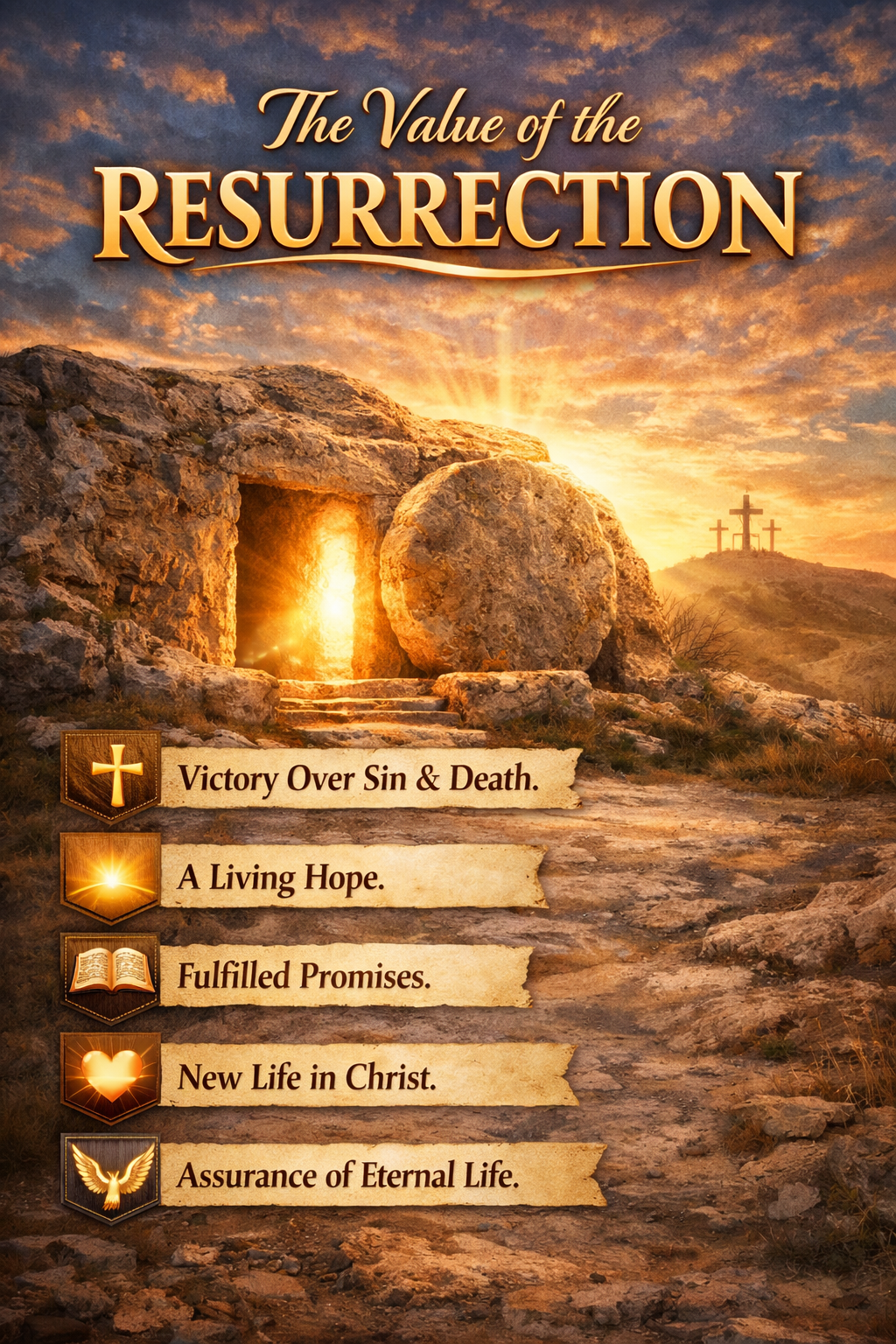
 The Value of the Resurrection
Easter stands at the very heart of the Christian faith. It is not merely a seasonal celebration or a religious tradition—it is the foundation upon which all Christian hope rests. Without Easter, Christianity would lose its power, its message, and its purpose. The resurrection of Jesus Christ is the defining truth that gives meaning to every promise in Scripture and assurance to every believer.
First and foremost, Easter affirms the victory of Jesus Christ over sin and death. The crucifixion on Good Friday revealed the depth of human sin and the cost of redemption, but it is Easter Sunday that declares the triumph of God’s plan. When Jesus rose from the dead, He demonstrated that sin had been fully paid for and death had been defeated. As the apostle Paul writes in 1 Corinthians 15:17 (NASB), “and if Christ has not been raised, your faith is worthless; you are still in your sins.” Easter assures us that our faith is not in vain. It is grounded in a living Savior.Secondly, Easter provides believers with a living hope. Christianity is not centered around a memory of a great teacher or a fallen martyr—it is rooted in a risen Lord who is alive today. Because Jesus lives, believers have confidence not only for this life but also for eternity. 1 Peter 1:3 (NASB) proclaims, “Blessed be the God and Father of our Lord Jesus Christ, who according to His great mercy has caused us to be born again to a living hope through the resurrection of Jesus Christ from the dead.” This living hope sustains Christians in trials, strengthens them in suffering, and reminds them that the best is yet to come.
Third, Easter validates every promise Jesus made. Throughout His ministry, Jesus spoke of His death and resurrection. When He rose on the third day, He proved that His words are trustworthy. This gives believers confidence in all of His teachings—about forgiveness, eternal life, and His return. If Jesus conquered the grave, then every promise He has given is secure.
 As Thanksgiving approaches, many of us begin to reflect on the blessings God has poured into our lives. Whether this year has been filled with joy, difficulty, or a mixture of both, Scripture reminds us that “in everything give thanks; for this is the will of God in Christ Jesus for you” (1 Thessalonians 5:18). Gratitude is not a once-a-year activity—it’s a posture of the heart rooted in who God is and what He has done.
 As followers of Christ, we are called to give “honor to whom honor is due” (Romans 13:7). Veterans have given of themselves in service to our nation—many at great personal cost. The church has a wonderful opportunity to recognize their sacrifice and to remind them that their service reflects the heart of Christ, who said, “Greater love has no one than this, than to lay down one’s life for his friends” (John 15:13).
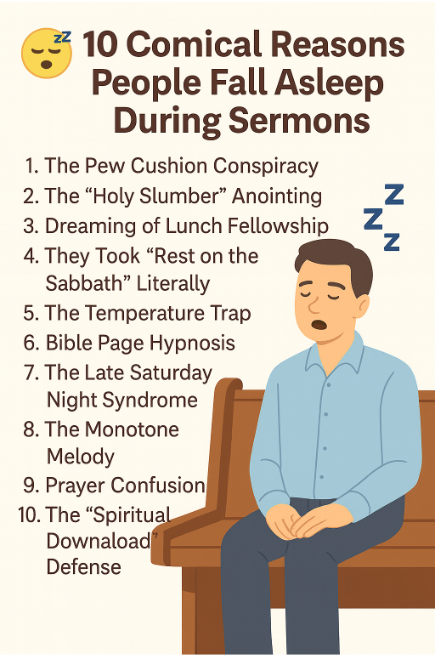 A Little Humor for the Hard-Working Pastor (with a sense of humor)